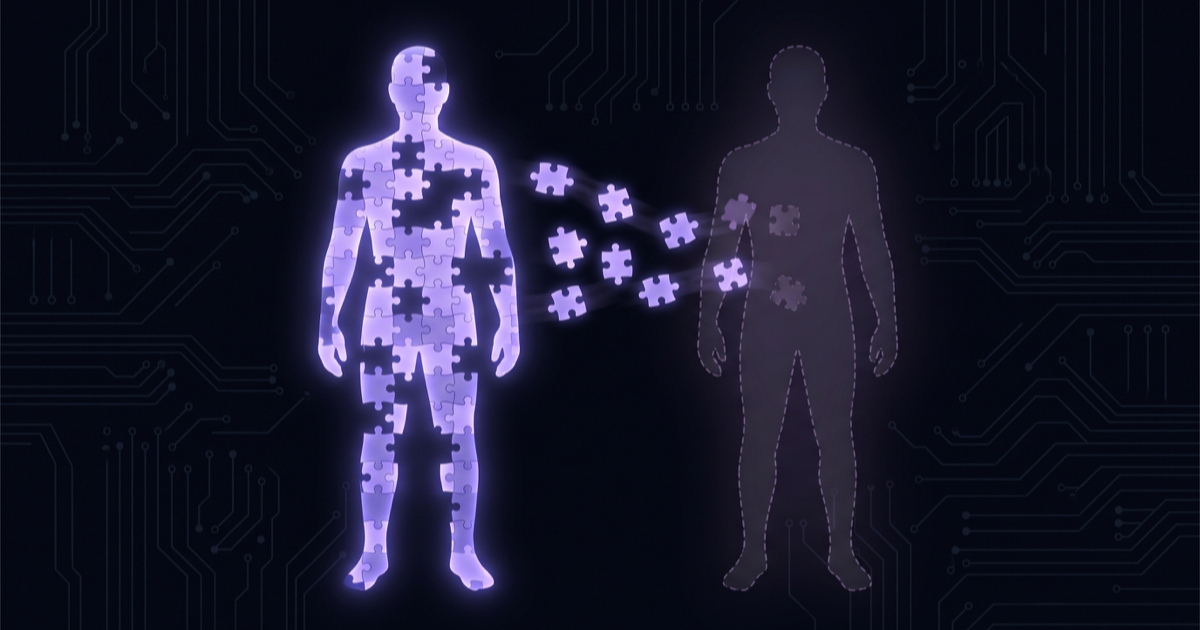
The expansion of autonomous AI agents, multimodal synthesis, and automated data aggregation has fundamentally transformed identity theft from a manual scheme into an automated pipeline. Modern AI models do not need to break into an encrypted database to compromise who you are; they scrape fragments of publicly exposed records, cross-reference leaked credentials from compromised services, and reconstruct high-fidelity synthetic profiles.
When malicious models or rogue agents gain access to local device data, the danger multiplies. Sophisticated tooling can mimic vocal patterns, recreate biometric cues, generate deceptive paperwork, or manipulate digital footprints until an individual’s legitimate identity is displaced, contested, or drained of credibility. A clean, locked-down operating system is only as secure as the permissions granted to background processes and external analytics channels.
Neutralizing this exposure requires shifting from passive reliance to active containment. The most resilient defense against autonomous impersonation and data aggregation is built on uncompromising privacy habits and the strict enforcement of the principle of least privilege—confining what background software, local extensions, and network queries can see. Deploying specialized device-level oversight tools such as FireAI ensures that outgoing data streams remain strictly governed and your digital boundary stays intact.
How FireAI and HisnLabs fit in
None of this needs a broken encryption scheme — it needs raw material, which is exactly what a background process quietly sending data off your Mac provides.
FireAI is HisnLabs’ own product: an on-device AI firewall for Mac. It shows every connection your apps make, in plain language, and lets you decide what leaves your Mac — its AI runs locally, so your traffic is never sent to us or anyone else. HisnLabs’ security research team is the group that keeps that decision-making accurate: cataloguing which domains are ordinary telemetry versus a real product, tracking the country and network behind a connection, and training the on-device model (its Autopilot feature) on real traffic patterns, all without any of it leaving your Mac.
You can read the technical decisions behind it, or try FireAI for 17 days, at FireAI, by HisnLabs.